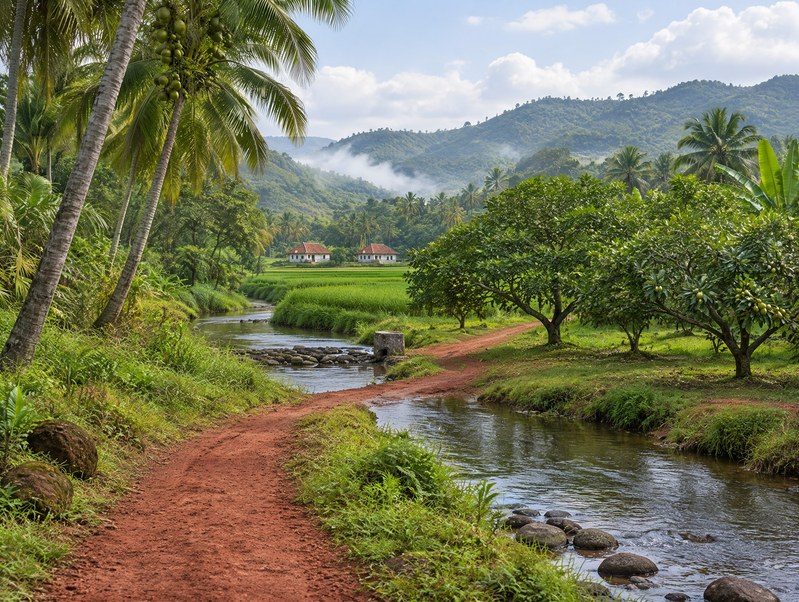
Managed bamboo farmland · Sindhudurg, Maharashtra

You own the land.
We farm it.
You earn.

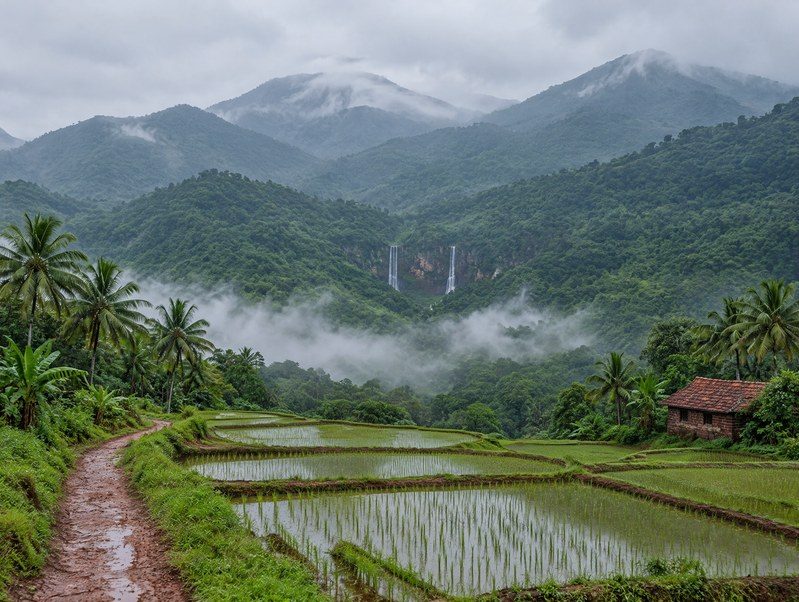
Individually titled, professionally managed bamboo farmland in Sindhudurg, in Maharashtra’s Western Ghats — structured end to end, so you hold a productive agricultural asset without ever having to run a farm.

50 acres Owned outright, in your own name
₹5 crore Land, development and plantation — phased over about twelve months
₹50 lakh Projected annual agricultural income from Year 5
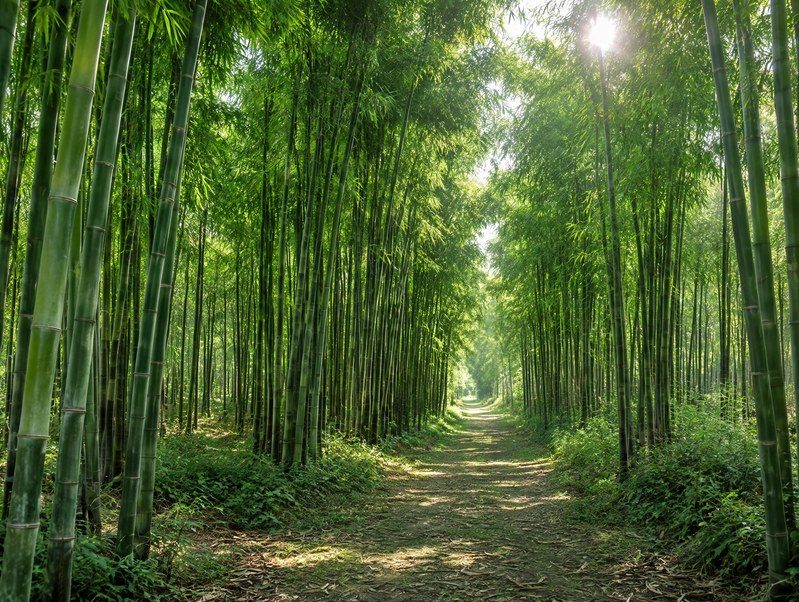
A sunlit path running through a mature bamboo plantation
30 yearsBuilding and scaling businesses before farmland became the work
Four projectsExecuted on the ground by our operating partners
Individual titleA farm in your name — never fractional, never undivided
In-house offtakeProduction consumed by our own bamboo processing unit

The Model

Three moving parts.
That is the whole thing.

1

You own it outright

A 50-acre farm registered in your own name, with clear individual title. Not a share, not a unit, not a promise of land — the land itself, in the government record, under your name.

2

We develop and farm it

Land selection, due diligence, registration, site development, plantation, cultivation, harvest and sale. Our operating partners run the farm year-round. You are not asked to do anything.

3

You earn

Recurring agricultural income on a revenue-sharing basis, projected at ₹50 lakh a year from Year 5 on a 50-acre farm — while the land itself continues to be yours.

Read the model in full — phases, costs, due diligence

The Numbers

What a 50-acre farm looks like on paper.

Stated plainly, once, so you can judge it against anything else on your desk.

The asset
50 acres of agricultural landIndividually titled and registered in your name. The minimum viable size — below 50 acres, development cost per acre exceeds the land price.
Total commitment
₹5 croreLand, site development, plantation and establishment — one number, not a base price with additions arriving later.
How it is paid
In phases, over about twelve monthsTied to milestones: acquisition, registration, development, planting. Not a lump sum on day one.
The crop
BambooPlant once; the clump regrows from its own roots after every harvest, with a productive life of 40 years and more.
First commercial harvest
Year 4 to Year 5Years one to three are establishment. Nothing meaningful is earned in that window, and we will not pretend otherwise.
Projected income
₹50 lakh a year from Year 5Agricultural income on a revenue-sharing basis, recurring annually thereafter.
Who buys the crop
Our in-house processing unitThe entire production is consumed internally — so the farm is not left hunting for a buyer at harvest.
Your involvement
Entirely optionalLive on the farm, visit it, or simply let it earn. The operating partner runs it either way.
These are projections, not promises. They rest on assumptions about yield, prices and execution that we will set out in writing, line by line, before you commit a rupee. Agricultural returns cannot be guaranteed — by us or by anyone — and we do not offer them as such.

The Thesis

Why this land. Why this crop. Why now.

Who It Is For

Two reasons people own a farm.

We work with a small number of buyers a year. Almost all of them arrive for one of these two reasons — and quite a few for both.

A real asset that earns

Business owners, HNIs and family offices who already hold enough paper. What they want is a hard asset with a cash yield: land that appreciates over the holding period while producing an annual agricultural income in the meantime.

Income from genuine cultivation is treated differently under Indian tax law from other income — which is part of the appeal, and which we explain carefully rather than loudly.

The next chapter

Senior professionals and founders planning a retirement with substance to it. A farm in the Ghats is somewhere to go, something to leave behind, and an income that keeps arriving after the salary stops.

Live on it, spend a season a year on it, or never see it at all. The farm is worked either way — that is the point of the arrangement.

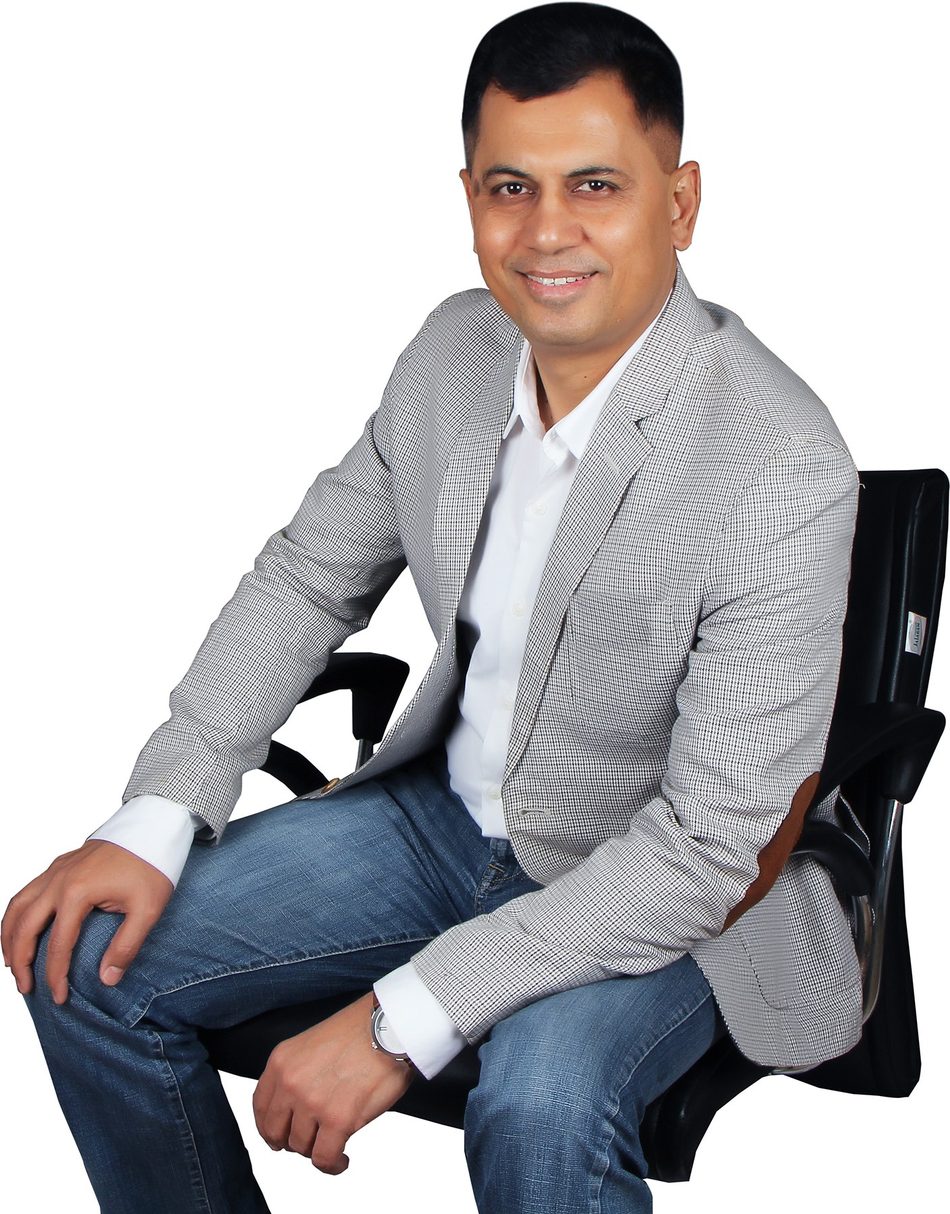
Sunil Khubchandani, founder of Farm for Life

The Person Behind It

Sunil Khubchandani

Farmland Specialist & Architect

After thirty years of building and scaling businesses, I chose farmland as my life’s work. I am an architect by training, and I approach this the way I was taught to approach a building: design the whole thing before anyone breaks ground.

So I design the entire transaction — from the land record to the harvest. Which parcel. What the title search turns up. How the site is developed. What goes in the ground, at what spacing, and who tends it for the next forty years. You end up owning a productive farm without ever having had to become a farmer.

Clear titles. Real farming. Honest projections.

The three things I will not compromise on

Plain Speaking

What could go wrong.

Every farmland brochure in India leads with the upside. Here is the other half of the page — the half you are entitled to read before anyone asks you for money.

  • Biology. A plantation is a living system. Drought, pest, disease or a poor monsoon can reduce a year’s harvest. Bamboo is hardy and recovers well, but it is not immune.
  • Price. Bamboo prices move. In-house processing means the farm is not left hunting for a buyer at harvest — it does not fix the price for the next forty years.
  • Time. Years one to three produce establishment, not income. This asset rewards patience. If you need liquidity inside five years, this is the wrong instrument and we will say so.
  • Exit. Farmland is not a listed security. Selling takes months, not minutes, and depends on who wants land in Sindhudurg at the moment you want to leave.
  • Execution. The whole model rests on the farm actually being farmed well, year after year. We document everything so that you can verify it independently — and you should.
  • Eligibility and tax. Who may buy agricultural land, and how agricultural income is treated, depend on the state, the buyer and the facts. Both need your own lawyer and your own chartered accountant, not ours.
Worth remembering If a farmland offer does not put a list like this in front of you — unprompted, in writing, before the cheque — that tells you something useful about the offer.

Straight Answers

The questions people ask first.

Do I really own the land?

Yes. An individually titled 50-acre farm, registered in your name, reflected in the government land record. Not a fractional share, not an undivided interest in a larger holding, not a unit in a scheme.

Do I need to be involved in the farming?

No. Our operating partner manages the entire cycle — development, plantation, cultivation, harvest and sale. Your involvement is welcome and entirely optional.

When does income start, and how much?

Bamboo reaches commercial harvest in roughly four to five years. From Year 5, a 50-acre farm is projected to generate ₹50 lakh a year in agricultural income, recurring annually thereafter.

Are the returns guaranteed?

No. We share projections, not promises. Guaranteed returns on farming are not something any honest operator can offer, and Indian regulation does not permit them to be marketed that way. Anyone promising you a guaranteed agricultural yield is telling you something about themselves.

Why can’t I buy less than 50 acres?

Because below that size the economics stop working. Development, plantation and year-round management cost more per acre than the land itself, and the farm cannot carry its own overhead. We would rather turn down a smaller buyer than sell them something that does not work.

All questions, answered in full

Next Step

The next conversation is a conversation,
not a pitch.

Twenty minutes on the phone with Sunil. If the model does not suit you, he will tell you so — that is a faster outcome for both of us than a brochure.